Is WE88 Scam or Legit in Malaysia? Evidence Check
Provisional withdrawal file: what the evidence can and cannot show
Imagine a Malaysian player opening a withdrawal file for a balance held through we88.website. The service requests identity documents, asks the player to wait for a review, and provides a payment reference that does not identify a Malaysian company. This is a hypothetical case, not a reported customer experience. It is useful because each part raises a different question: who operates the service, which rules govern the account, whether the withdrawal conditions were disclosed, and where a customer could complain.
A deposit page, a local currency option or a responsive support chat does not answer those questions. Nor does a review page establish that money will be paid. The current evidence packet does not contain a current Malaysian primary record matching the exact host and a confirmed operator. It also does not contain a verified withdrawal test, a Malaysian online-casino licence, or an official finding that the service is fraudulent. The appropriate result is amber: important evidence remains open.

For a cautious check, start with our evidence methodology, then record the exact host shown in the browser address bar. A brand name alone is not enough.
Evidence position in Malaysia
One supplied market source documents current Malaysian presence or demand for the service. That establishes context, not authorisation. A separate Malaysia-labelled review describes MYR payment rails, but its promotional statements remain unverified and its user-context role means it cannot prove safe deposits, successful withdrawals, a licence or a complaint outcome.
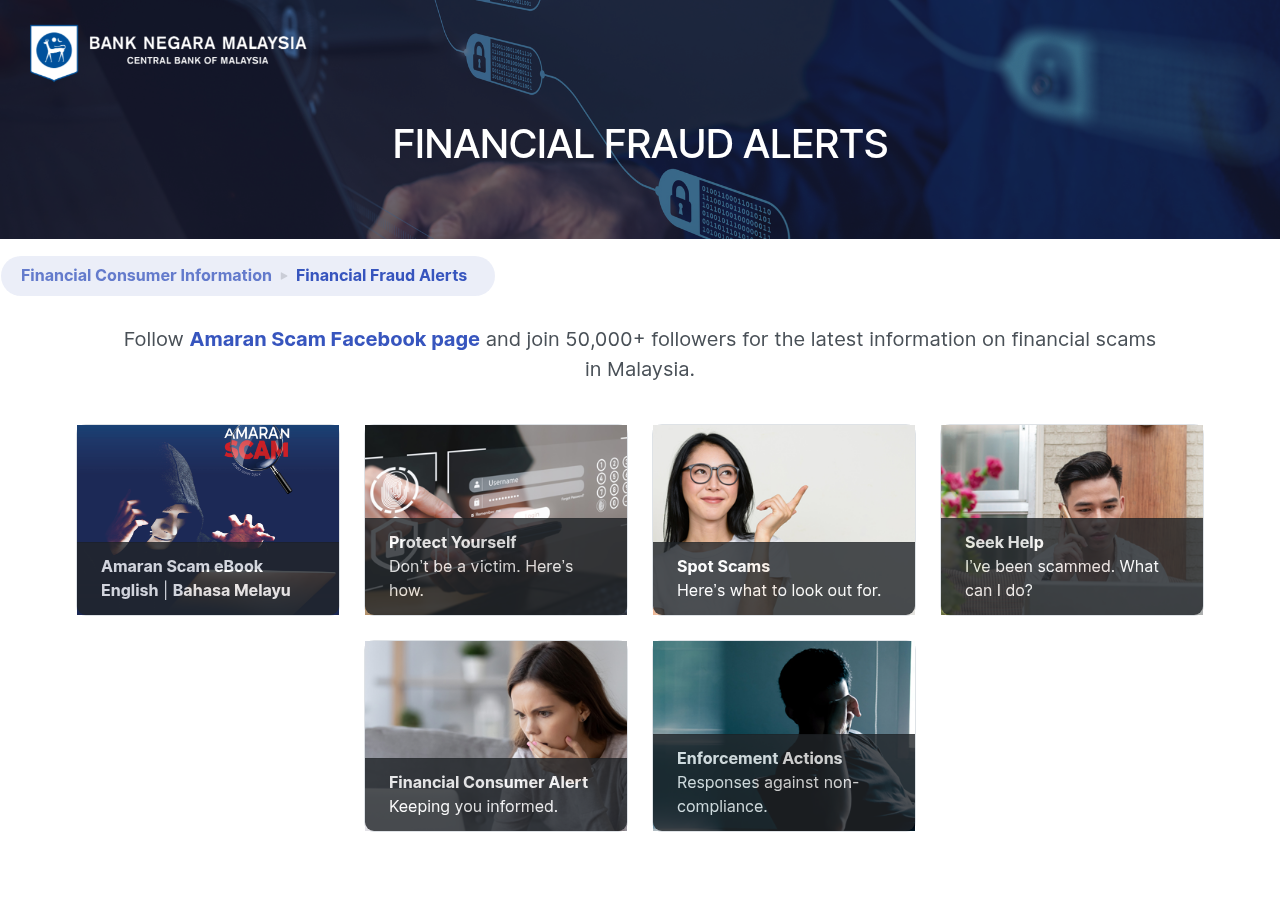
The official Bank Negara Malaysia fraud-alert material provides checking and recovery guidance. It is general fraud information, not a casino licensing register and not an adverse decision about this service. The Attorney General’s Chambers legislation portal is an official starting point for current Malaysian legislation, including Act 289; access to legislation alone does not decide the facts of an individual brand case.
| Question | What is supported | What remains open |
|---|---|---|
| Is there Malaysian market interest? | A supplied market page explicitly documents Malaysian presence or demand. | The page does not prove approval, safety or payment performance. |
| Are MYR rails described? | A Malaysia-labelled review describes MYR payment rails. | Availability, ownership, settlement and successful withdrawals are unverified. |
| Is a licence confirmed? | No Malaysian online-casino licence is verified in the packet. | The responsible operator and any offshore claim remain unconfirmed. |
The source chronology is therefore limited but clear: the market and payment-context records establish why Malaysian users may encounter the service; the primary legal and fraud-guidance records provide routes for checking broader issues; none supplies an exact host-to-operator licence match.
Exact host, operator and licence match
The exact host supplied for review is we88.website. The operator is not confirmed in a Malaysian primary record. That distinction matters: a domain can display a trading name while the contracting company, payment recipient, technical host and licence holder are different or undisclosed entities.
| Identity item | Current result | Safe interpretation |
|---|---|---|
| Brand | WE88 | A presentation name, not proof of a legal entity. |
| Exact host | we88.website | Check every letter, extension, certificate and redirect before signing in. |
| Malaysian operator | Not confirmed | Do not assume a local company from language, currency or support hours. |
| Malaysian online-casino licence | Not verified | No green approval signal is justified by the supplied record. |
| Licence expiry | No date supplied | There is no verified expiry date to rely on. |
A licence number copied into a footer should be independently matched to the exact legal entity, permitted activity, domain and current status. If one of those fields differs, the number does not establish that the host is covered. An offshore claim would also need a named regulator, a verifiable register entry and a clear relationship to the Malaysian-facing service. None is confirmed here.
For a legal background check, consult the official Malaysian legislation portal and compare the current text with advice from a qualified local professional where personal exposure is a concern. The portal is a source for legislation, not a brand verdict.
Scam or legit: a calibrated answer
On this evidence, it would be inaccurate to call the service proven legitimate, because no precise Malaysian primary record confirms the operator and licence. It would also be inaccurate to call it proven a scam, because the packet contains no official adverse finding or corroborated documented case establishing fraud. “Amber” means the user should pause, verify and limit exposure while material identity and legal questions remain unanswered.
Several weak signals should not be mistaken for proof. A polished interface, a familiar logo, search visibility, a local-language page, a MYR amount, a successful login or a small completed transaction can all occur without establishing who is legally responsible for the account. Conversely, an unresolved complaint or delayed payment report would be an allegation unless supported by a dated competent-source record.
| Signal | Why it matters | What it does not prove |
|---|---|---|
| Exact host is visible | Reduces the risk of checking the wrong clone. | It does not identify the operator or licence holder. |
| MYR payment description | Shows that Malaysian users are being addressed. | It does not prove lawful operation or payout reliability. |
| No matching primary record | Leaves a material identity gap. | It is not, by itself, proof of fraud. |
| Official fraud guidance | Provides checking and recovery steps. | It is not a finding against this service. |
Our conclusion should change only when dated, relevant evidence changes: for example, a current primary record that precisely matches the host and operator, or an official adverse record concerning that exact relationship.
Payments and MYR claims
The supplied payment-context record says that a Malaysia-labelled review describes MYR payment rails. That is a description of what the review presents, not an independently tested payment result. It does not confirm the bank, wallet, merchant, intermediary, fees, processing time, reversals or the party receiving funds.
Before depositing, write down the displayed method, minimum and maximum limits, fee language, account name, reference format and any requirement to use a particular channel. Take care with requests to pay a “release fee”, tax, verification charge or extra deposit before a withdrawal can be processed. Such a request is not automatically proof of fraud, but it materially increases the need to stop, preserve records and obtain independent advice.
Do not send funds to a personal account merely because support says it is an agent. Do not reuse a password from banking or email services. If you have already paid and suspect deception, follow the checking and recovery guidance in Bank Negara Malaysia’s financial-fraud alerts; that resource is general guidance, not a licensing confirmation for this host.
Withdrawals, KYC and account conditions
No verified withdrawal test is supplied. We therefore cannot state that withdrawals are fast, delayed, successful or refused. The same restraint applies to KYC. The service may request identity material, but the packet does not establish what documents it requests, how long review takes, where documents are stored, which entity controls them, or whether an account can be closed after submission.
Read the withdrawal clause before depositing, paying particular attention to wagering conditions, maximum cash-out language, bonus separation, method matching, identity checks, dormant-account rules, duplicate-account provisions and discretionary cancellation wording. Save the version of the terms and the relevant balance history. A later change can make a dispute harder to reconstruct.
| File to preserve | Useful details | Reason |
|---|---|---|
| Account identity | Exact host, username, registration date and displayed legal notices. | Helps distinguish the account from a clone or redirect. |
| Payment record | Date, amount, currency, recipient, reference and method. | Supports a bank, wallet or enforcement inquiry. |
| Withdrawal record | Request time, amount, status, messages and conditions cited. | Creates a chronology without asserting an outcome. |
| KYC exchange | Requested documents, submission route and confirmation. | Shows what personal information was disclosed and to whom. |
Never upload an identity document to a newly supplied mirror until the host has been checked character by character. A similar-looking domain can collect documents while presenting the same brand name.
Clone and redirect checks
Begin with the host shown at the moment of registration, deposit and withdrawal. Check spelling, extension, unexpected subdomains, redirects and whether a message has replaced the address with a shortened link. A saved screenshot should show the address bar and date, but a screenshot is evidence of what was displayed, not proof that the displayed claims were true.
Compare the operator name, contact details, terms and payment recipient across pages. Inconsistency is a warning sign, especially where one page names a company and another uses only a brand. Do not infer that two hosts belong to the same service because they share colours, imagery or a logo.
The supplied capture is retained as context only. It cannot substitute for a regulator register, a confirmed entity record or a controlled payment test.
Complaint and escalation route
First preserve the chronology: registration, deposits, terms shown, KYC requests, withdrawal request, support replies and any change of host. Ask support for the legal entity, complaint address, transaction explanation and the precise term relied upon. Keep messages factual and avoid publishing another person’s personal information.
If a payment appears deceptive, contact the relevant bank or payment provider promptly using the official channel and ask whether protective action is available. Use the general fraud-alert guidance linked above for checking and recovery routes. Where a legal question concerns Malaysian legislation or personal exposure, obtain independent local legal advice. This dossier cannot decide whether a particular act has been breached.
A complaint record is not automatically proof that the service is fraudulent. Assess whether it is dated, attributable, specific to the exact host and supported by payment or correspondence records. Unverified forum statements and promotional testimonials should remain separate from primary evidence. Our complaints and warnings guide explains that distinction and the information worth preserving.
What remains unknown
| Unknown | Why it affects risk | What would resolve it |
|---|---|---|
| Contracting legal entity | Determines who may owe a payment or respond to a complaint. | A current primary record and matching terms or corporate disclosure. |
| Licence and jurisdiction | Determines which oversight, if any, applies. | A regulator register entry matching entity, activity and host. |
| Withdrawal performance | Promotional claims cannot establish actual settlement. | A dated, independently documented test with controlled conditions. |
| Data handling | KYC documents may expose sensitive identity information. | Clear, matching controller details and applicable privacy terms. |
| Local legal effect | Individual circumstances can change the analysis. | Current law plus advice from a qualified Malaysian professional. |
These are open questions, not allegations. Until they are answered by relevant evidence, the prudent position is to avoid treating marketing language as assurance and to keep financial and identity exposure as low as possible.
Method, correction path and practical conclusion
This assessment separates primary records, market or operator-style statements and user-context material. It checks whether the claim is about the exact host, whether the source is competent for that claim, and whether the record is dated. The amber signal follows the evidence boundary: no current Malaysian primary record matches the exact domain and confirmed operator, while the supplied contextual records do not establish legality, safety or complaint outcomes.
Corrections should identify the exact host, legal entity, source date and claim being changed. A new promotional page alone would not resolve the licence question. A dated primary record matching the host and operator could materially improve the assessment; an official adverse record could move it in the opposite direction. Until then, readers should treat this as an open-evidence check rather than an approval or a fraud finding.
If you choose to inspect the service, verify the address independently and understand the unresolved risks before taking any action. View the current option only after completing your own identity, payment and legal checks.
safegamingsites.com
Frequently asked questions
Is WE88 licensed in Malaysia?
No Malaysian online-casino licence is verified in the supplied evidence. The operator is not confirmed in a Malaysian primary record, so no local licence conclusion can be made.
Is WE88 a scam or legit?
The evidence does not prove either conclusion. It supports an amber, open-evidence signal: Malaysian market context exists, but the exact operator, licence and payment performance remain unresolved.
Does a MYR payment option prove safety?
No. A Malaysia-labelled review describes MYR payment rails, but that contextual claim does not prove lawful operation, ownership of the payment channel or successful withdrawals.
Can I rely on a licence number shown on the site?
Not without matching it to a current regulator record, the legal entity, permitted activity and exact host. A number copied into a footer is not independent verification.
What should I do if a withdrawal is delayed?
Preserve the terms, payment references, account history and support messages. Ask for the legal entity and written reason, contact the payment provider through its official channel, and seek appropriate local advice.
What if I sent money or identity documents already?
Stop sending further funds, secure reused passwords, preserve records and contact the relevant bank or payment provider promptly. Use official fraud-checking and recovery guidance rather than an unsolicited contact.